23 Sep 2026
Beyond the bakery: Why sourdough is still on the rise
Since its breakthrough in the early 2020s consumers have doubled down on the category, and sourdough’s popularity has continued to grow. In the first six months of 2026, sourdough was the fastest-growing global social media trend in this analysis, with 27% growth and 715,000 mentions. The market is showing the same promise, with sourdough moving firmly into the mainstream.
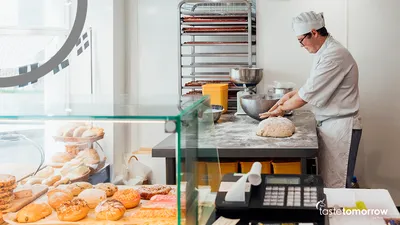
The sourdough market is expanding well beyond artisanal bakeries. Supermarket loaves, ready-made products, and commercial sourdough offerings are making long-fermentation bread more accessible to mainstream consumers. Brands and retailers are capitalizing on sourdough’s popularity by turning what was once a specialist product into a broader consumer category. And even celebrities are getting in on the action: Vogue Magazine deemed Taylor Swift’s sourdough bread the ‘hottest accessory of 2026’ last January, placing sourdough at the very heart of modern pop-culture.
Several trends are feeding consumers’ appetite for sourdough. Foods perceived as natural and authentic remain immensely popular, and the desire for ‘real’ food is good news for sourdough loaves that look and taste different from conventional supermarket breads. On social media, sourdough has become part of a wider ecosystem of trends spanning artisanal production, flavor and product innovation, and wellness positioning. Consumers are drawn to it for health benefits, creative expression, and a connection to traditional food-making practices.
The artisan perception of sourdough might soon change though. As with everything, AI is looking to get into the game. Chinese scientists published an article in November of 2025 explaining how combining AI and multi-omics could optimize microbial interactions and help standardize sourdough. It remains to be seen if the sourdough culture, that has been prospering in part precisely because of the charm of slow-food, smaller scale bakeries and personal stories and brands, would benefit from the development into a less personal, albeit more affordable category.
Product innovation
From supermarket shelves to social feeds, sourdough is becoming a flexible platform for innovation. Three areas stand out: new flavors, formats beyond bread, and health-led positioning. Consumers are ready for bold flavors, colorful experiments, and diverse cultural influences. That is encouraging sourdough bakers to move beyond plain loaves with varieties such as jalapeño cheddar, cinnamon raisin swirl, cranberry walnut, roasted garlic Parmesan, blueberry lemon curd, maple oat, and chili crisp. These inclusions give bakers a way to offer novelty, personalization, and creative expression while creating a clearer point of difference in the market.
Possibly the weirdest experiment with sourdough bread in recent times is also one of the most ancient ones. Scientists discovered yeast in the famous Oetzi ‘the iceman’ frozen mummy that was discovered in a Italian glacier in 1991. The 5300 year old Oetzi had no less than four types of yeast in his guts, which the scientists then used to reproduce in a fridge. Inevitably, the question was raised whether it could be used to make sourdough bread. No less than three months later, the code was cracked and the scientists were quoted to have turned this strange starter into ‘very, very good bread’. Reportedly, brewing beer with the yeast is on the to-do list.
More than loaves
Sourdough is also moving beyond bread. The market is expanding into formats such as donuts, croissants, bagels, pizza, cinnamon rolls, pastries, desserts, buns, and enriched breads. These products give consumers more variety and convenience while extending the appeal of sourdough fermentation across multiple categories. Italian company Infermentum has an interesting case. Originally a company that sells sweet sourdough pastries, it has now introduced a new line of savory convenience. Their Salè line of products includes pizzas and buns that can be stored at room temperature and have a shelf life of no less than fifty days.
Gut feelings
Health remains one of the most important drivers of consumer decisions. Sourdough is often marketed for benefits such as easier digestibility from long fermentation, additive-free production, and cleaner labels. Consumers are drawn to it as a healthier bread alternative that supports gut health and signals a return to traditional, less processed food. This positioning is particularly strong in premium markets, where middle- and upper-income shoppers are willing to pay more for naturally fermented products. Still, rising fuel and shipping costs could threaten the surging sourdough market. A recent McKinsey publication in the U.S. noted that consumers are cutting back on spending and reconsidering premium options. As one consumer put it: “It’s all about needs, not wants right now.”
Swinging with sourdough
Sourdough’s appeal is not limited to what happens in the bakery or at the breakfast table. As the culture around fermentation grows, it is also moving into experiences that blend food, music, and community.
Sourdough is associated with tradition, craftsmanship, and heritage. In recent years, those qualities have been embraced by both Millennials and Gen Z, who have turned fermentation into part of a lifestyle built around authenticity, creativity, and community. That shift has branched out in unexpected ways, from bakery runs to bakery raves in cities around the world.
The first bakery rave is credited to French DJ Alexis Duvivier, better known as Aazar. He launched his first bakery rave, probably at boulangerie The French Bastards, in Paris in 2019. He was inspired by missing French boulangeries while living and working as a French DJ and producer in cities like Miami and Los Angeles. In 2025, Belgian dance festival Tomorrowland hosted its first bakery rave in partnership with a supermarket chain. The festival welcomes around 600,000 visitors from more than 200 countries each year, helping move the bakery rave from niche concept to mainstream spectacle. Because of its popularity, Tomorrowland hosted the bakery rave again in 2026.
While the Tomorrowland rave introduces bakery raves to a much wider audience, it is not solely about sourdough. Not yet. For younger generations, sourdough represents more than a loaf of bread. It connects with broader interests in sustainability and artisan products. A sourdough starter is a living culture that needs attention and care, something that contrasts with an increasingly digital, fast-paced, rapidly changing, and disposable world. The offline experience of clubbing, dancing, and connecting may well become sourdough’s next frontier for partygoing generations, where real experiences and food meet. Will sourdough salsa be the next big thing?